Our Research Projects
Developing 3D Brain Organoid Models to Study HIV-1–Associated Neurocognitive Disorders
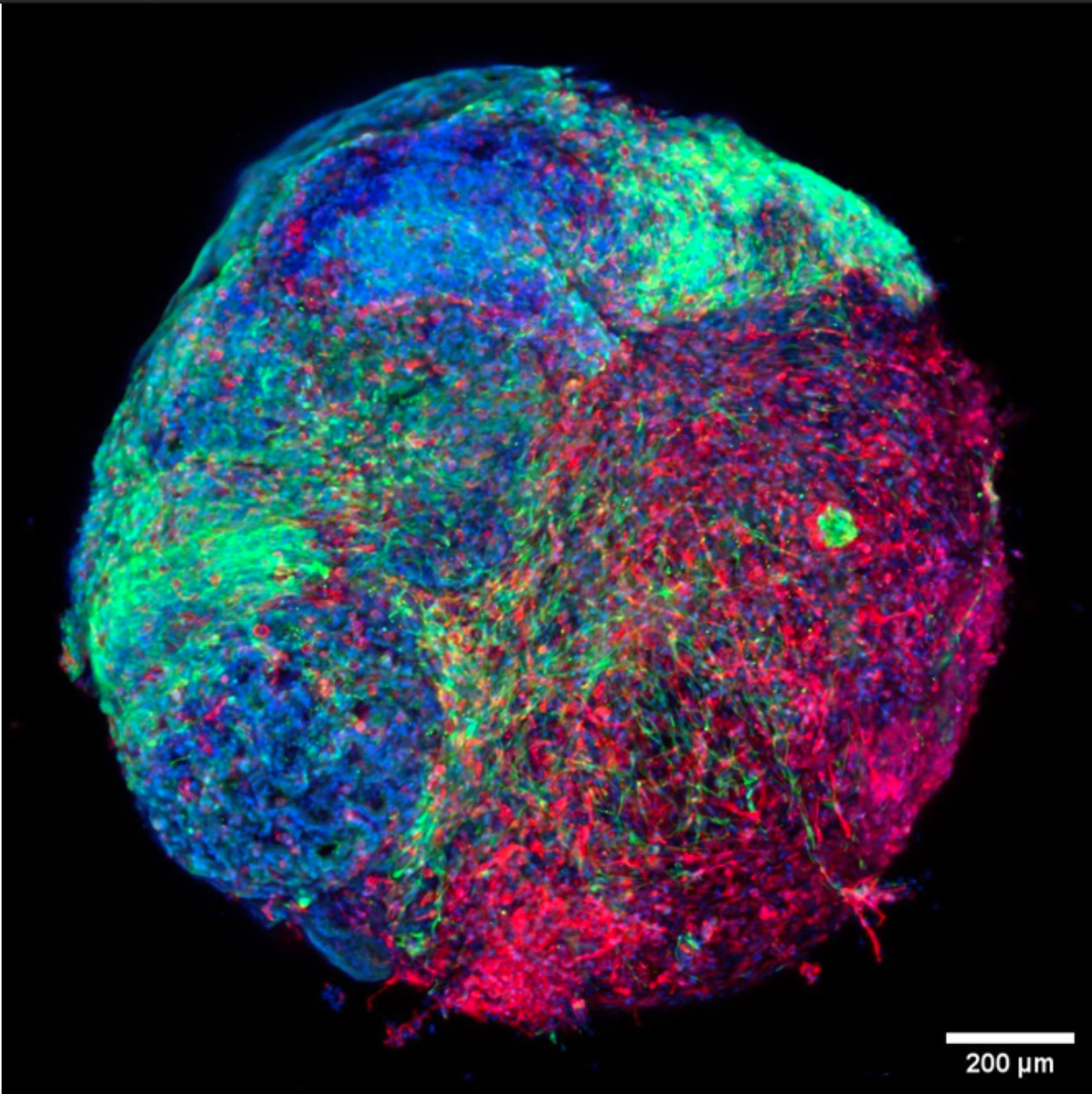
HIV-associated neurocognitive disorder (HAND) remains a major health challenge. To understand how HIV damages the brain, our lab is pioneering the use of 3D brain organoids—miniature, stem-cell-derived models that recreate the human brain's architecture. These organoids incorporate neurons, astrocytes, and microglia, allowing us to observe how HIV alters neural-glial communication and triggers inflammation. Notably, we were the first to develop brain organoids containing microglia, offering unprecedented insight into how the brain’s immune system contributes to HIV neuropathogenesis.
Understanding HIV Latency in the Brain and Developing Therapeutic Strategies to Eliminate It
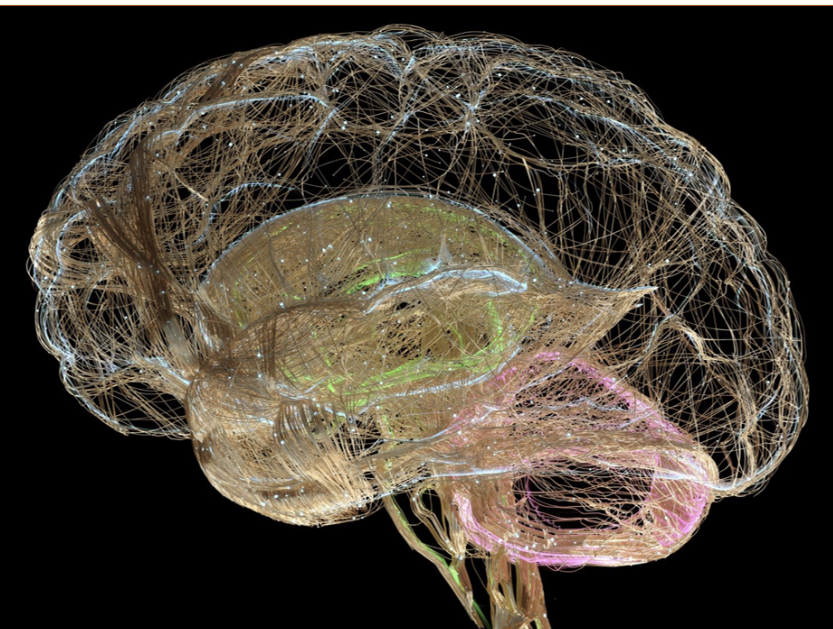
Even with lifelong treatment, HIV can hide in brain cells like microglia and astrocytes, evading medications. This latent virus is a major barrier to a cure. Our team is developing advanced 3D brain organoid models that include microglia from HIV-positive donors to uncover how the virus establishes and maintains latency. By studying the molecular signatures of infected cells, we aim to identify novel therapeutic targets that can either reactivate and clear the virus or permanently silence it, bringing us closer to a functional cure for HIV.
Spatial Transcriptomics: Mapping the Molecular Landscape of the Brain
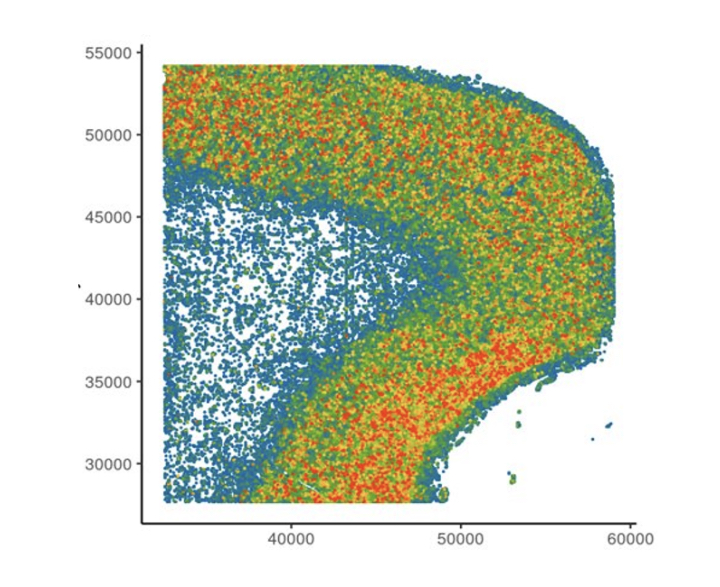
Spatial transcriptomics is transforming neuroscience by allowing scientists to visualize gene activity directly within the context of brain tissue. Our lab uses this powerful technology to map how HIV infection reshapes the brain’s molecular networks. By integrating gene-expression data with spatial information, we can pinpoint how the virus alters pathways involved in inflammation, synaptic signaling, and neuronal survival. These studies provide unprecedented insight into HAND and help identify new molecular targets to preserve brain health.
Our Lab Expectations
At the Ayyavoo Lab, we believe that scientific progress depends on collaboration, respect, and integrity. Our research environment is built on shared responsibility, clear communication, and a deep commitment to excellence. Every member of the lab—whether a student, staff member, or collaborator—is expected to uphold these values in their work and interactions.
What You Can Expect From Me
Guidance and mentorship: I am committed to helping you grow as a scientist. You can expect me to provide direction, constructive feedback, and opportunities that support your academic and professional goals.
Open communication: My door is always open for honest discussion about research, progress, or any concerns you may have.
Regular meetings: I will meet with you regularly to review data, interpret results, and plan next steps together.
Encouragement toward independence: My goal is to help you think critically and take ownership of your work while providing the support you need along the way.
Professional development: I will assist with editing manuscripts, preparing presentations or proposals, and connecting you to opportunities that will help advance your career.
A safe and supportive environment: Safety, respect, and inclusivity are top priorities. You can always come to me with concerns about safety, security, or well-being, and those discussions will remain confidential.
Commitment to accountability: I will provide fair, consistent evaluations and ensure that your efforts are recognized and aligned with your goals.
What I Expect From Lab Members
Scientific integrity: Record data accurately, follow protocols carefully, and be transparent about your results. Honesty in all aspects of research is non-negotiable.
Organization and documentation: Maintain clear, up-to-date lab notebooks and digital records. Label samples and reagents properly, and save data to the designated lab drive.
Respect and professionalism: Treat every member of the lab with courtesy and professionalism. Disagreements should be handled constructively.
Safety first: Always follow lab safety guidelines, wear appropriate protective equipment, and report any incidents immediately.
Responsibility and reliability: Arrive prepared, meet deadlines, and communicate clearly about your schedule and progress. Everyone’s time is valuable.
Collaboration and teamwork: Share knowledge freely, assist others when possible, and maintain a cooperative attitude. Science is a collective effort.
Communication: Keep the team informed about your work. If you encounter obstacles, share them early so we can problem-solve together.
Accountability: Own your mistakes, learn from them, and move forward. Errors are part of science—what matters most is how we respond to them.
Respect for shared resources: Clean up after yourself, label your materials, and leave shared spaces better than you found them.
Continuous learning: Take initiative to learn new techniques, ask thoughtful questions, and engage deeply with the science behind your work.
Academic and Professional Conduct
All members of the Ayyavoo Lab are expected to uphold the highest standards of academic honesty and professional ethics. Plagiarism, data fabrication, or any form of misconduct will not be tolerated. Each individual’s contributions should reflect their own effort, and collaboration should always be properly credited.
The University’s Academic Integrity Guidelines provide additional expectations for ethical conduct in research and scholarship: Academic Integrity Guidelines
Commitment to Safety, Equity, and Inclusion
The Ayyavoo Lab is committed to maintaining a safe, inclusive, and equitable environment for all members. Harassment, discrimination, or misconduct of any kind will not be tolerated. The University requires all faculty and staff to report any instances of sexual misconduct to the Title IX office so that affected individuals can receive support and resources.
We encourage open dialogue about any concerns related to safety, inclusion, or personal well-being. Everyone deserves to work in an environment that fosters respect, trust, and opportunity.